What Happens Between Templating and Countertop Installation
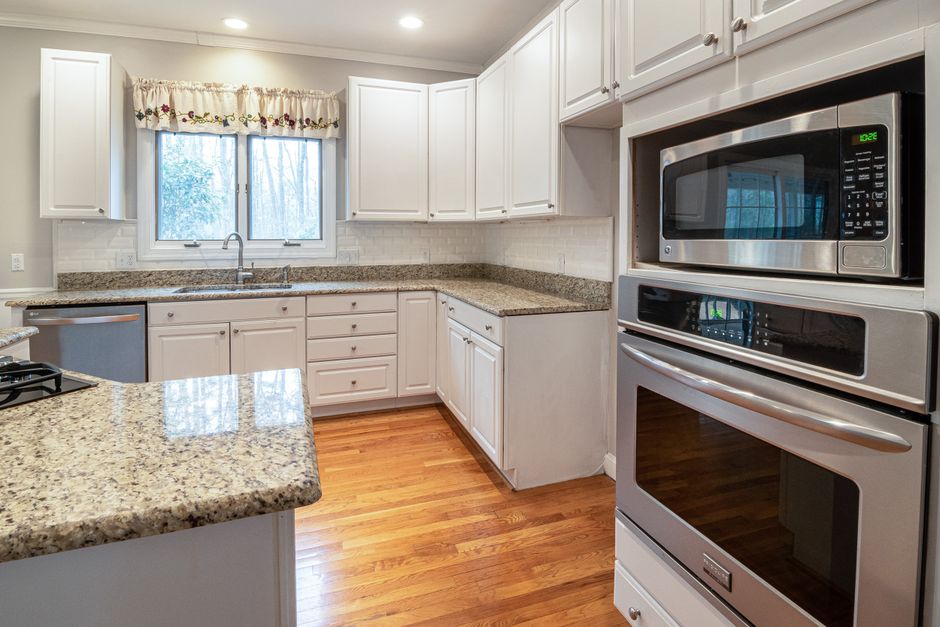
Two kitchens that look identical on the day the old tops come off can differ by half an inch over a ten foot run, and the notes at countertops lexington book js treat that difference as the reason the order of work matters. The process for a countertop in Lexington, KY runs from templating to the slab, then the saw, the seam, and the sink, and each step depends on the one before it.
Templating the installed cabinets
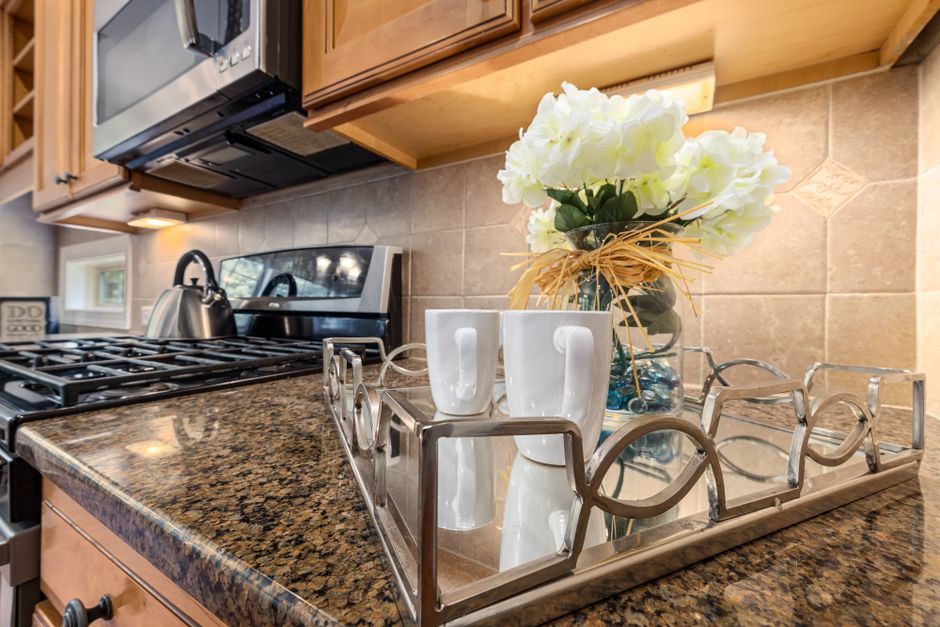
Templating starts after the cabinets are set and level. The template is made by physically tracing or digitally measuring the cabinets, walls and appliance openings. Old measurements cannot stand in for it, because walls bow and cabinets shift by small amounts that only show up on site. A house in Fayette County built on a slab foundation behaves differently from one with a crawlspace, and the template records whichever it is.
Laying the template over the slab
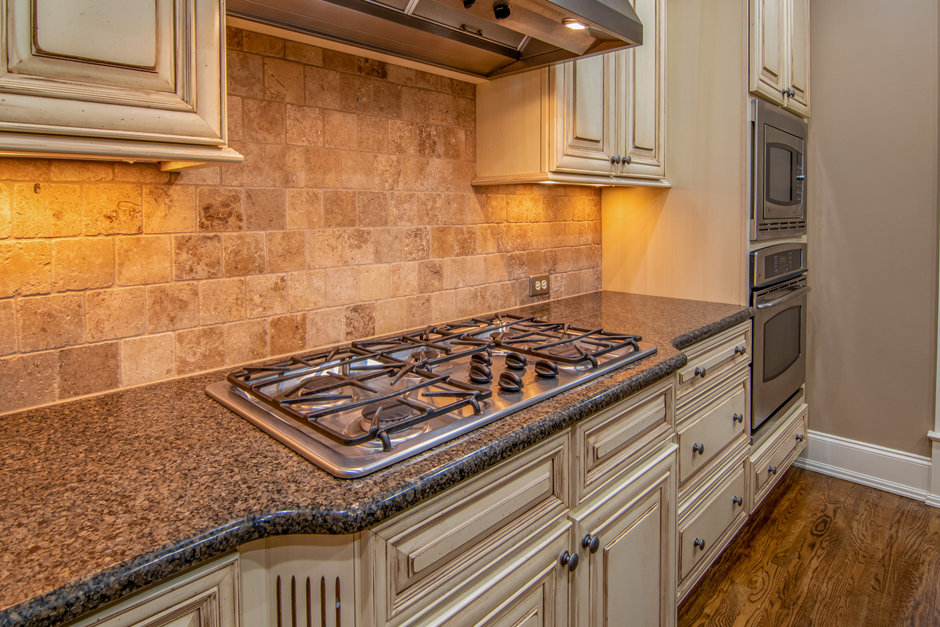
The fabricator lays the template over the actual slab. This decides seam placement and how veining or pattern flows across pieces. Marble, quartzite and busy granite show the most change from one placement to the next. Quartz with a uniform pattern forgives more. A remnant can work for a vanity or a small island, but only if the template fits inside it with room to spare. A seam is never guaranteed to vanish, so the aim is to put it where it is least noticed.
Approving the layout before cutting
Many homeowners can ask to view and approve the specific slab or layout before anything is cut. This matters most with heavily veined stone, where one cut commits the pattern. Cutting the same day as templating is not possible, since the layout has to be drawn, checked and scheduled first.
Cutting and the sink opening
Slabs are cut with saws, water jets or CNC equipment. Water cools the blade and holds down dust. Edge profile work such as an eased edge, bullnose or waterfall edge is shaped after the rough cuts. Sink cutouts get rounded inside corners, because sharp corners concentrate stress and are a common starting point for cracks. Any overhang past the cabinet face is checked against the template before the piece leaves the shop.
Setting, seaming and the plumber
Seams are joined with color matched epoxy or polyester adhesive. Seam setters pull the pieces tight and flush while it cures. Undermount sinks attach to the underside of the stone with clips or brackets and are sealed with silicone. The plumber usually reconnects the sink and faucet afterward, once the adhesive and silicone have had time to set. Rushing that step is how a fresh seam gets knocked out of line.