Why Does My Countertop Have Dull Spots or Stains
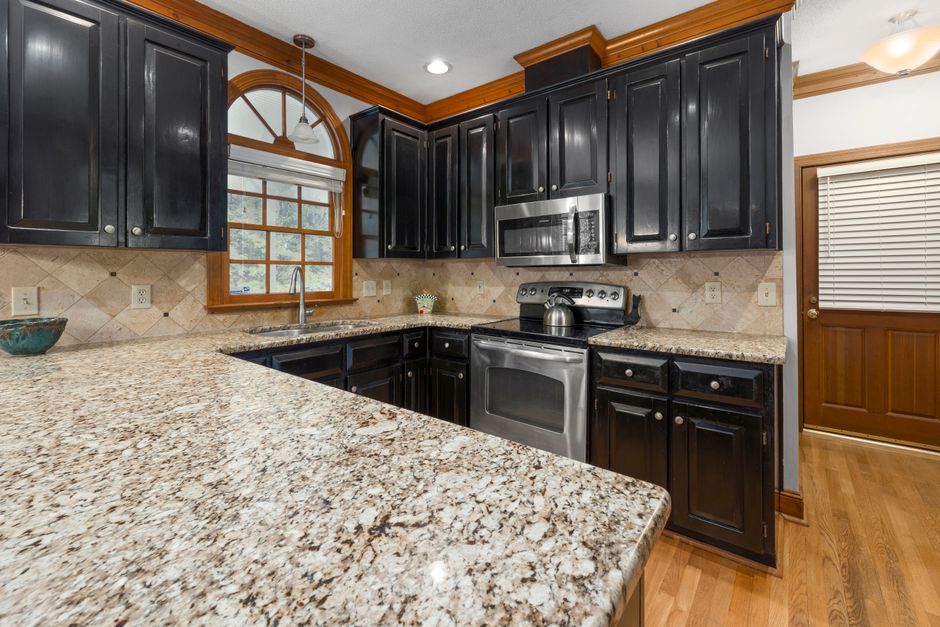
Three drops of lemon juice left for ten minutes will dull a polished marble top in Lexington, KY, and the mark is usually a sheen problem, not a color problem. Every kitchen teardown logged by countertops lexington book js shows the same split: homeowners call a dull spot a stain, and a stain a scar, and the fix depends on telling them apart. Most countertops in Fayette County fail in a handful of repeatable ways, and each one has a mechanical cause.
Etch versus stain
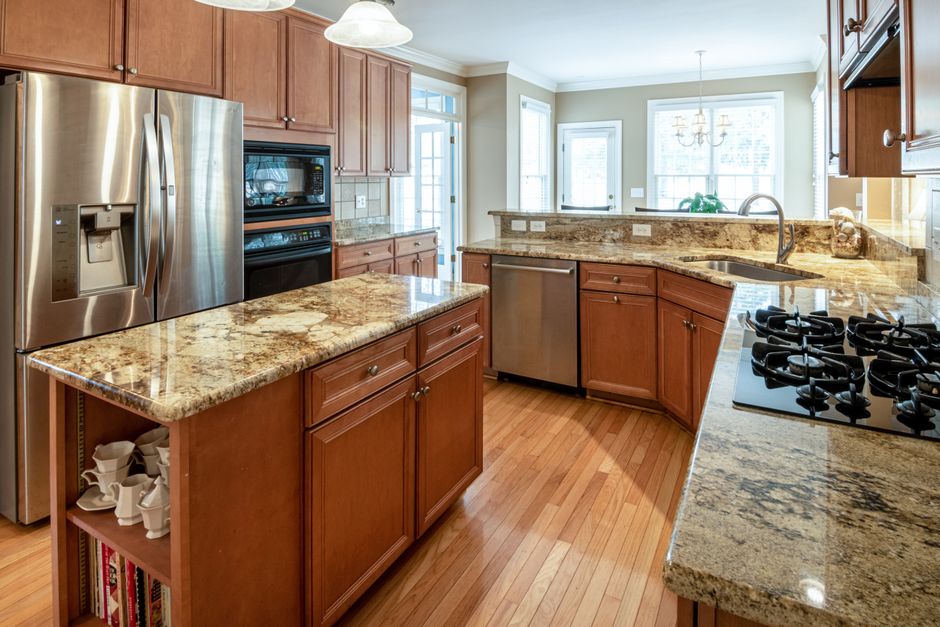
An etch is a dull or rough spot caused by acid chemically reacting with calcium carbonate stone like marble, limestone or travertine. The surface itself is eaten away. A stain is a darker or colored mark from a liquid or oil absorbed into a porous stone. Run a fingertip across it at a low angle. A rough or flat patch is an etch. A dark patch with a smooth feel is a stain. Granite and quartzite rarely etch, but a honed soapstone or marble slab will show both.
Hard water scale
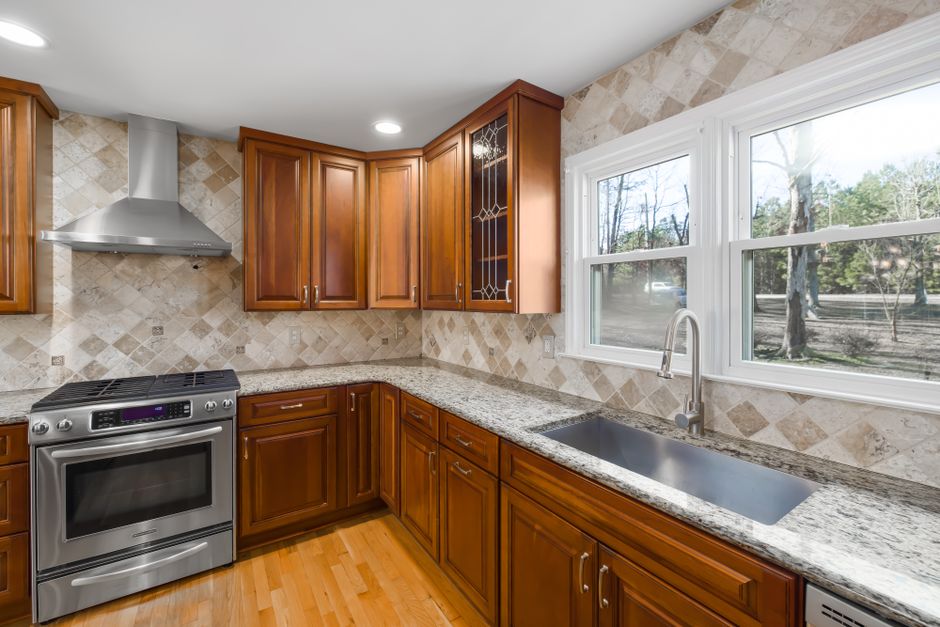
Scale is a white crusty deposit sitting on top of the surface, often around faucets and sink edges. It is a deposit, so not every white mark is permanent damage. On marble, vinegar and other acidic cleaners should stay away, since they will etch the stone underneath. Use a plastic scraper and a neutral stone cleaner, then dry the area after use. Laminate and solid surface tolerate more, but the same habit of wiping the faucet base saves work.
Pulling oil out
Oil stains in granite or marble are often drawn out with a poultice. The absorbent paste is spread over the spot, covered, and left until it dries, pulling the stain up as it goes. Heavy stains can take several rounds. A sealer slows absorption near the range, but it does not make a porous stone waterproof, and it does nothing for an etch.
Repairing dull spots
Light etching on polished marble can sometimes be reduced with polishing compounds worked in with a damp pad. Deeper etching may need professional honing, where the whole face is leveled so the finish matches. Spot work on a large field tends to show, especially in raking light from a window over a sink. Near the University of Kentucky, many older rentals have marble vanities that get this exact treatment.
Heat, sun and cracks
Quartz can be discolored by prolonged direct sunlight or high heat because its resin binder can yellow or scorch. A hot pan straight from the burner is the usual cause, and a south window does it slowly. Hairline cracks often start at inside corners of sink or cooktop cutouts, where stress concentrates. Good templating, rounded corner radii, and full support under the cutout matter more than thickness. Seam placement belongs away from those corners, and an unsupported overhang beside a cooktop adds leverage to the same weak point. Fix the support first, then judge whether a crack is cosmetic.