How Can I Tell Good Countertop Work From Poor Work
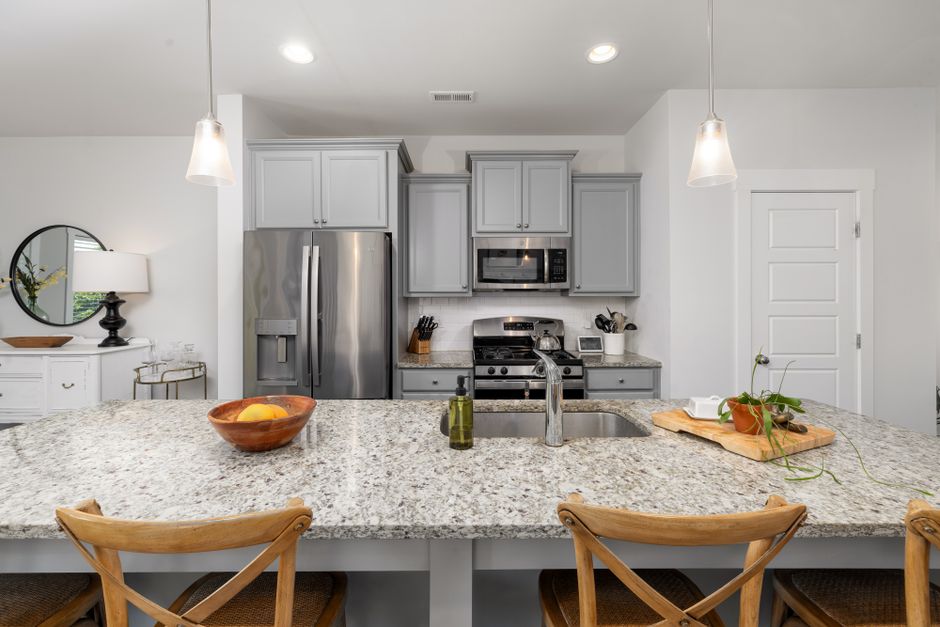
Seam placement gets settled before the saw touches the slab. The running record countertops lexington book js holds shows that most disputes over countertops in Lexington, KY trace back to something nobody wrote down at the template visit, such as where the seam falls or how far the overhang runs. Choosing work means checking a short list of mechanical details, each one visible to the eye or the hand.
Seams you can feel with a fingertip
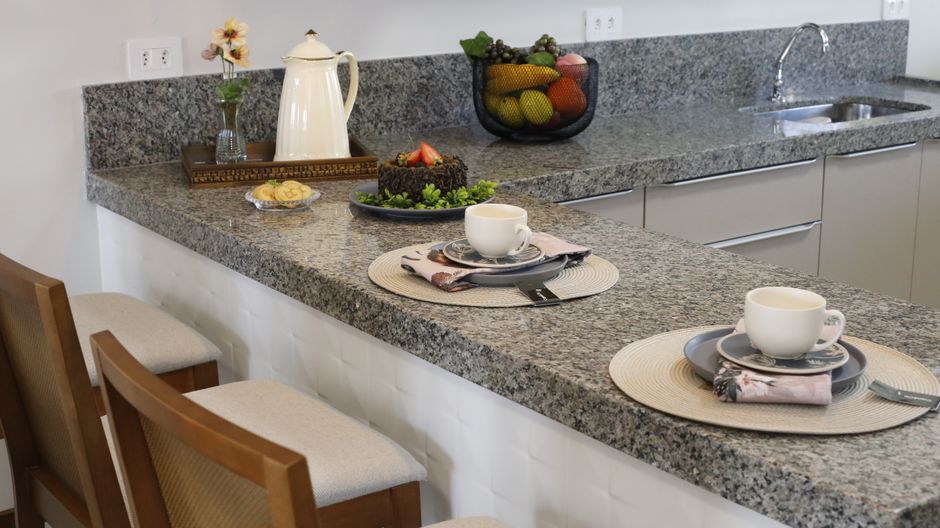
A good seam is tight, flush to the touch and filled with adhesive tinted close to the stone color. Run a fingernail across it. A lip, a dark line or a ridge of cured glue means the two pieces were not pulled level. A count of seams says little by itself. Position and finish say a great deal. A seam sitting over a dishwasher or a sink base without support is a weak point, so seam layout gets discussed before cutting, not after the slab is cut.
Edge profile along the full run

An edge profile should carry an even polish and a consistent shape along the whole length, corners included. Check an eased edge for a uniform radius. Check a bullnose for the same curve at each end. A waterfall edge needs the grain and the mitered joint to line up where the panel meets the top. Gloss does not hide a wavering profile, and a flat light across the edge will show it quickly.
Sink reveal and faucet holes
With an undermount sink, the reveal is how much sink edge shows past the stone. It should be the same all the way around, so look down each side and across the back. Faucet holes should be drilled to the diameter the faucet maker specifies and placed where the handle can swing freely, clear of the backsplash and the sink rim. Bring the faucet to the template visit if it is already bought.
Overhang and support
An overhang past what the material and thickness can carry on its own needs brackets or corbels underneath. Granite, quartz and quartzite each behave differently, and a thicker slab is not automatically the answer. At an island seating edge, the visible support should be agreed in advance. Around Fayette County, many older kitchens also have cabinet bases that sag slightly, and those get shimmed before the stone goes down.
Walls, gaps and the written description
Walls in older homes near the University of Kentucky and elsewhere in Lexington are rarely perfectly straight. A gap at the backsplash is normally covered by the backsplash itself or a bead of caulk, not forced by pressing the stone against the wall. Templating records those wall lines, so a stone cut from that template will sit where it was measured to sit.
Put the plan on paper. A written description of the slab, edge, sink type and seam locations settles disagreements later. A remnant, a slab pulled from stock or a full pick at the yard should each be named on that sheet, along with the stone type, whether marble, soapstone, porcelain or solid surface. Butcher block and laminate get the same sheet, with the edge and seam details noted.