Which Countertop Material Handles Hard Water Best
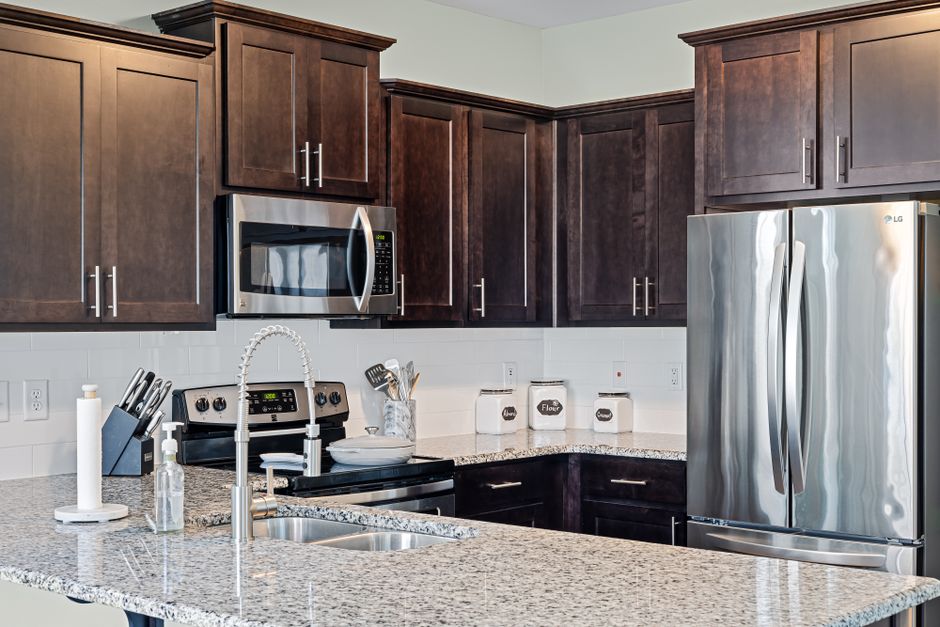
A countertop surface does one job at the sink: it sheds water, and whatever the water carries stays behind when it dries. In Lexington, KY, that residue is mostly calcium and magnesium, and every teardown countertops lexington book js has logged points back to the limestone under Fayette County, not to the finish on the stone.
Why the white ring shows up
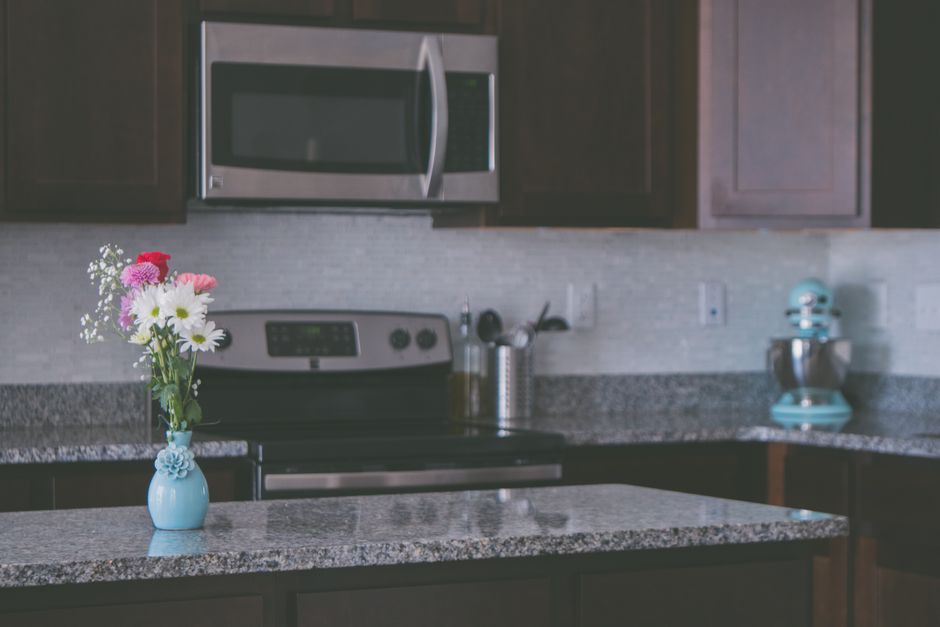
Central Kentucky sits on limestone bedrock, and water moving through limestone picks up dissolved calcium and magnesium. When a drop evaporates, the minerals stay as a white crust. The ring forms at the faucet base, along the backsplash, and wherever a glass sat wet. The material under it decides whether that crust wipes off or becomes a repair.
Quartz and granite
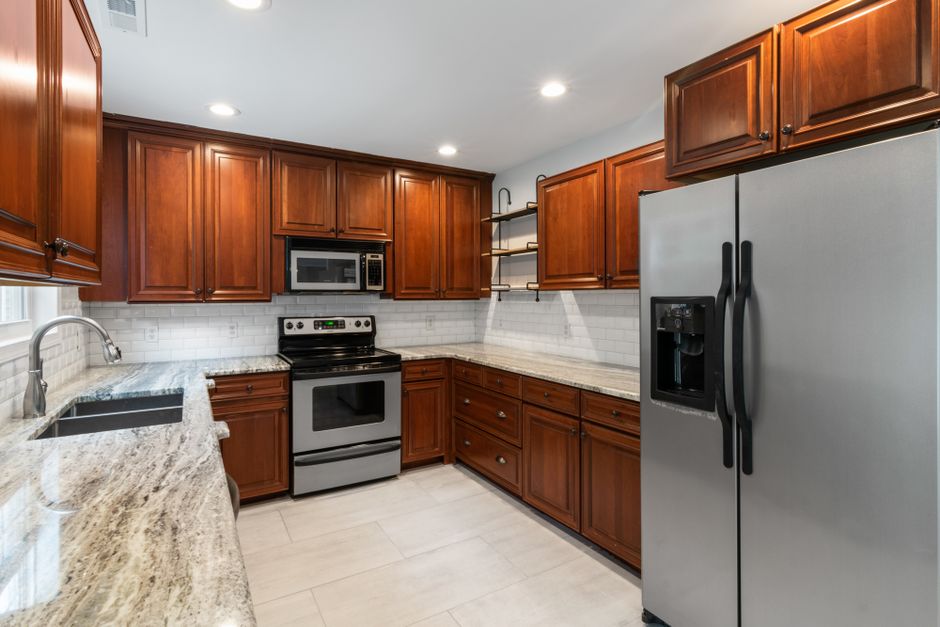
Engineered quartz is mostly ground quartz bound with polymer resin, so it is nonporous. Mineral spots sit on the surface and usually wipe away. Heat is a separate matter, since the resin can mark under a hot pan, so a trivet stays in use. Granite is igneous, and porosity varies from slab to slab. A sealed granite top resists spotting. An unsealed porous slab can show darker rings that fade as it dries. Sealing is maintenance, not a one-time job.
Marble and soapstone
Marble and limestone are mostly calcium carbonate. Vinegar and other acidic scale removers etch them, leaving dull spots where the acid sat. Sealer slows staining but does not stop etching. Soapstone is dense and does not etch from acids, but it is soft and scratches more easily than granite. Light scratches on soapstone are usually sanded or oiled out. An etched marble top needs honing or polishing.
Laminate and butcher block
Laminate resists surface spotting. The trouble starts at the seam and around the sink cutout, where water gets past the edge and swells the particleboard core. Once the core swells, it does not go back. Wood butcher block needs regular oiling. Standing water near the sink stains the grain and leaves dark discoloration, so the area around the faucet gets wiped dry every day.
What gets settled at templating
Hard water changes a few layout decisions. Seam placement stays away from the sink, because a joint under constant splash is the weakest point on any slab. Overhang and edge profile matter too. An eased edge sheds water cleanly, while a deep ogee collects scale in its grooves. Templating is where the sink cutout, faucet holes and seam locations get fixed. A remnant works well for a small vanity or bar top, where the sink load is light and the cost of a full slab is hard to justify.